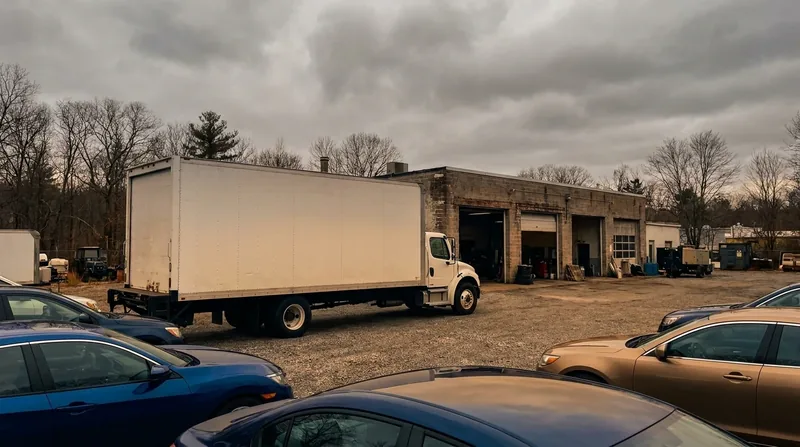
How to Start a Used Car Dealership in Georgia: Used Motor Vehicle Dealer License, Bond and Insurance
How to Start a Used Car Dealership in Georgia: Used Motor Vehicle Dealer License, Bond and Insurance
Opening a used car dealership in Georgia starts with a state license, and you cannot sell vehicles until it is issued. The Georgia Used Motor Vehicle Dealers Board reviews your entity, location, background check, insurance and bond before it approves the license. This guide walks through each requirement in the order you will meet it, so you can sequence your paperwork and avoid a stalled application.
Informational content only. This article is not legal or tax advice. Dealer licensing involves leases, insurance contracts, title law and tax questions that depend on your facts. Talk with a Georgia attorney, a CPA and an insurance agent who works with dealers before you commit money to a lease or policy.
Who Licenses Used Car Dealers in Georgia
The Georgia Used Motor Vehicle Dealers Board, part of the Secretary of State's Professional Licensing Boards Division, licenses used motor vehicle dealers. Wholesale and retail dealers use the same dealer license, so you do not need separate licenses for wholesale and retail sales. A separate license exists for used motor vehicle parts dealers. If you plan to sell parts, confirm with the Board which license applies before you apply.
Georgia does not issue a general statewide business license. The Secretary of State issues none, and registering for sales tax with the Department of Revenue is not a business license. Your dealer license comes from the Board, and any local license comes from your city or county.
Materials and Requirements Checklist
Gather these items before you start the application:
- A registered Georgia business entity, such as an LLC or corporation, filed with the Secretary of State
- A Georgia sales tax number from the Department of Revenue, registered through the Georgia Tax Center
- An established place of business that meets the Board's requirements, with local zoning approval confirmed on a form
- A Board-approved pre-licensing seminar completed within the prior 12 months, or a passing result on a Board-approved exam
- A fingerprint-based criminal background check
- Garage liability insurance naming the Board as certificate holder
- A surety bond payable to the Governor for the protection of purchasers
- A local occupation tax certificate from your city or county
Step 1: Register Your Business Entity
File Articles of Organization for an LLC or Articles of Incorporation for a corporation with the Secretary of State's Corporations Division. The filing fee is $110 total, which is the $100 fee plus a $10 service charge. You can file online through the Georgia Secretary of State eCorp portal at ecorp.sos.ga.gov or on paper.
Online filings take about 7 to 10 business days, and paper filings take about 15 business days. Expedited review costs $120 for 2 business days, $275 for same-day review if received by noon, or $1,200 for one-hour review on business days.
Several rules affect the name and the registered agent:
- Name: The name must include a limited liability company designator, such as Limited Liability Company, LLC or L.L.C., and must be distinguishable on the Secretary of State's records. You can reserve a name for 30 days for $35 while you prepare your filing.
- Registered agent: Every Georgia entity must keep a registered agent at a registered office with a Georgia street address. A P.O. box or mail drop does not qualify. For an LLC, the agent must be a Georgia resident individual or a corporation authorized to do business in Georgia, and the registered office must be the agent's business office. An entity cannot serve as its own registered agent.
Use the exact legal name of the entity on every Board, tax, insurance and bond document. Mismatched names are a common reason paperwork gets sent back.
Step 2: Get a Georgia Sales Tax Number
Register with the Department of Revenue through the Georgia Tax Center at gtc.dor.ga.gov. Sales tax registration there is free. Georgia issues no separate resale permit. The resale instrument is Form ST-5, the certificate of exemption, which you give to vendors when you buy goods for resale. Keep your Department of Revenue account active, because the Board application requires the sales tax number. Department of Revenue general information is at dor.georgia.gov.
Step 3: Secure a Location and Confirm Zoning Before You Sign a Lease
The Board requires an established place of business that meets its requirements. Ask the Board for its current facility standards before you choose a site, because they set what the lot, building and office must include.
Zoning is the step most applicants underestimate. Your local authority must confirm on a form that the site is approved for a used car dealership. Get that form signed before you sign a lease. If you have already signed, ask the landlord to make the lease contingent on zoning approval. Some cities and counties restrict where vehicle sales can operate, and a site that looks ideal can fail this check.
Step 4: Complete Pre-Licensing Education or Pass the Exam
You must complete a Board-approved pre-licensing seminar within the 12 months before you apply, or pass a Board-approved exam. Check the Board for the list of approved providers and the current exam process. Track the completion date. A certificate that falls outside the 12-month window can force you to retake the course before you apply.
Step 5: Pass the Fingerprint-Based Background Check
The Board requires a fingerprint-based criminal background check. The Board sets the submission process, so follow its current instructions exactly and confirm any fee with the Board. Applicants with a criminal history should ask the Board about how it reviews those records before filing, since a problem found late can delay the license.
Step 6: Buy Garage Liability Insurance
Standard auto liability insurance alone is not enough. You need garage liability coverage with the Board named as certificate holder. The required limits are:
- $50,000 per person
- $100,000 per accident
- $25,000 property damage
A combined single limit of $125,000 also satisfies the requirement. When you request quotes, ask the agent for a garage liability policy written for dealers and confirm in writing that the Board will receive the certificate. Ask the agent to explain how the policy handles test drives, customer vehicles and vehicles on consignment, since those exposures often drive premiums.
Step 7: Obtain the Surety Bond
The surety bond protects purchasers and is payable to the Governor. The Board's current bond amount for used car dealers is $50,000. That figure applies to licenses and renewals on or after July 1, 2026, and it replaces the earlier $35,000 amount. The Secretary of State updated its bond form in May 2026, so use the current form and confirm the amount with the Board before you buy the bond.
Parts dealers carry a separate $10,000 bond. You pay a premium to a surety company rather than the full bond amount, and the premium depends on your credit and the surety's underwriting. Get more than one quote, and compare the premium with the bond form requirements, not just the price.
Step 8: Get the Local Occupation Tax Certificate
The local license is an occupation tax certificate, often called a business license. The city issues it if your business is inside city limits. The county issues it if you are in unincorporated areas. A business inside a city pays the city, not the county. More than half of Georgians live outside any city, so for many dealers the county is the issuer.
Each of Georgia's 159 counties and about 537 cities sets its own formula, deadlines and prerequisites. Ask the city or county clerk for the current requirements before you file. If your business has more than 10 employees, you must file an E-Verify affidavit to receive the local certificate, as required by O.C.G.A. 36-60-6.
Step 9: Set Up Workers' Compensation If You Hire
Workers' compensation insurance is required at three or more workers, and that count includes part-time employees. Georgia has no state paid sick leave or family leave mandate, but your local and federal obligations still apply. Confirm your payroll and leave obligations with your CPA or employment attorney.
Step 10: Submit the Board Application and Plan for Timing
Submit a complete application package to the Board. The Board meets several times a year and reviews complete applications on a schedule, so plan for at least a month between submission and approval. Missing items reset that clock, so check every line before you file.
The Board application fee and renewal fee are not listed in this guide. Confirm both with the Board before you budget for the license. Used car dealer licenses are issued on a biennial cycle. Renewal cycles tie to a September 30 date in even-numbered years, so confirm your expiration date with the Board when you receive your license. Dealers complete continuing education through the Board's approved system.
Operating Rules After You Are Licensed
Your dealer license carries ongoing obligations. Dealers must follow Georgia title law and the Board's rules on records, advertising and title transfer. Under O.C.G.A. 43-47-13, as written in the 2018 text, local governments may license dealers only after the state license exists. Check the current Code to confirm the language before you rely on it.
Dealer license plates are governed by a 2022 law, HB 1481, and by the Department of Revenue. Ask the Department of Revenue for the current dealer plate fees and rules before you order plates.
Your LLC also has its own annual obligation. An LLC files its first annual registration in the year after it forms. Annual registration runs January 1 through April 1 each year, and the fee is $60, which is $50 plus a $10 service charge. A late filing carries a $25 penalty. A corporation files its first annual registration within 90 days of incorporating. Confirm the current window and penalty with the Secretary of State before the deadline. An entity that stays delinquent can be administratively dissolved, and reinstatement costs about $260.
How Vehicle Sales Tax Works in Georgia
Sales tax on vehicles in Georgia does not work like a regular sales tax that you collect at the counter. Vehicle tax is handled through the title ad valorem tax at registration. Ask the Department of Revenue how this applies to your specific sales before you set your pricing and paperwork. If you sell taxable items other than vehicles, confirm the sales tax treatment for those items with the Department of Revenue too. For Georgia tax rates and filing details, see the Georgia business taxes guide. This page does not list income tax rates.
Standard Setup Steps and Financing Access
Most dealers also need floor plan financing and auction access to stock inventory. Lenders and auctions typically ask for proof of your state license, your entity documents and your bank references before they open an account. Ask each lender and auction what documents they require and whether they accept your Board license in place of other records. Compare terms in writing before you sign, since financing structures vary widely.
If you plan to operate under a trade name that differs from your entity name, you must file a trade name registration. Trade names are filed with the Clerk of Superior Court in the county where the business is chiefly carried on, not with the Secretary of State. The notice must be published in the county legal organ once a week for two weeks. The clerk fee is about $165 plus the newspaper charge. Confirm the exact cost with your county clerk.
Tips and Common Mistakes to Avoid
- Signing a lease first. Get zoning confirmed on the form before you commit to a site.
- Buying standard auto insurance. Ask for garage liability with the Board as certificate holder.
- Quoting the old bond amount. The current figure for used car dealers is $50,000, effective for licenses and renewals on or after July 1, 2026. Confirm it with the Board.
- Letting the pre-licensing certificate age out. The seminar or exam must fall within the 12 months before you apply.
- Expecting a state business license. Georgia issues none. Your local certificate comes from the city or county.
- Assuming the county always issues the local certificate. A business inside city limits pays the city.
- Using a different entity name. Match the exact legal name across every filing.
- Missing the LLC annual registration. Annual registration runs January 1 through April 1.
What to Expect From a Complete Application
A complete, correctly sequenced application may help you avoid resubmission and reduce the time you spend waiting on missing items. It can also help you plan lease, insurance and financing commitments with fewer surprises. Approval timing depends on the Board's review schedule and on how complete your file is, so treat any timeline in this guide as a planning estimate rather than a guarantee. Build at least a month of buffer into your opening date.
Official Resources
- Georgia Secretary of State, Corporations Division: sos.ga.gov/corporations-division
- Georgia Secretary of State eCorp filing portal: ecorp.sos.ga.gov
- Secretary of State business search: ecorp.sos.ga.gov/BusinessSearch
- Secretary of State business FAQ, including trade name and name reservation details: sos.ga.gov/page/business-division-faq
- Georgia Department of Revenue: dor.georgia.gov
- Georgia Tax Center (sales tax registration): gtc.dor.ga.gov
- Georgia Small Business Development Center at the University of Georgia: georgiasbdc.org
- SBA Georgia district office: sba.gov/district/georgia
The Used Motor Vehicle Dealers Board is part of the Secretary of State's Professional Licensing Boards Division. Start from sos.ga.gov to find the Board's current application forms, approved seminar providers and fee schedule.
Disclaimer: This article is informational only and is not legal or tax advice. Requirements, fees and deadlines change, so verify each one with the agency named before you file. Consult a qualified Georgia attorney and CPA for your situation.
Keep exploring: related Georgia guides
- How to Start a Trucking Business in Georgia
- How to Start a Courier or Delivery Business in Georgia
- How to Start a Towing Business in Georgia
- How to Start a Limo, Taxi or Ride-Share Business in Georgia
- How to Start an LLC in Georgia
- Georgia Business License
- Cost to Start a Business in Georgia
- All Georgia business types
- Every Georgia guide in one place